
Poland’s PRS Market Attracts International Investors. Record-Breaking Transaction Exceeds PLN 2.4 Billion
20 / 10 / 26
6 min
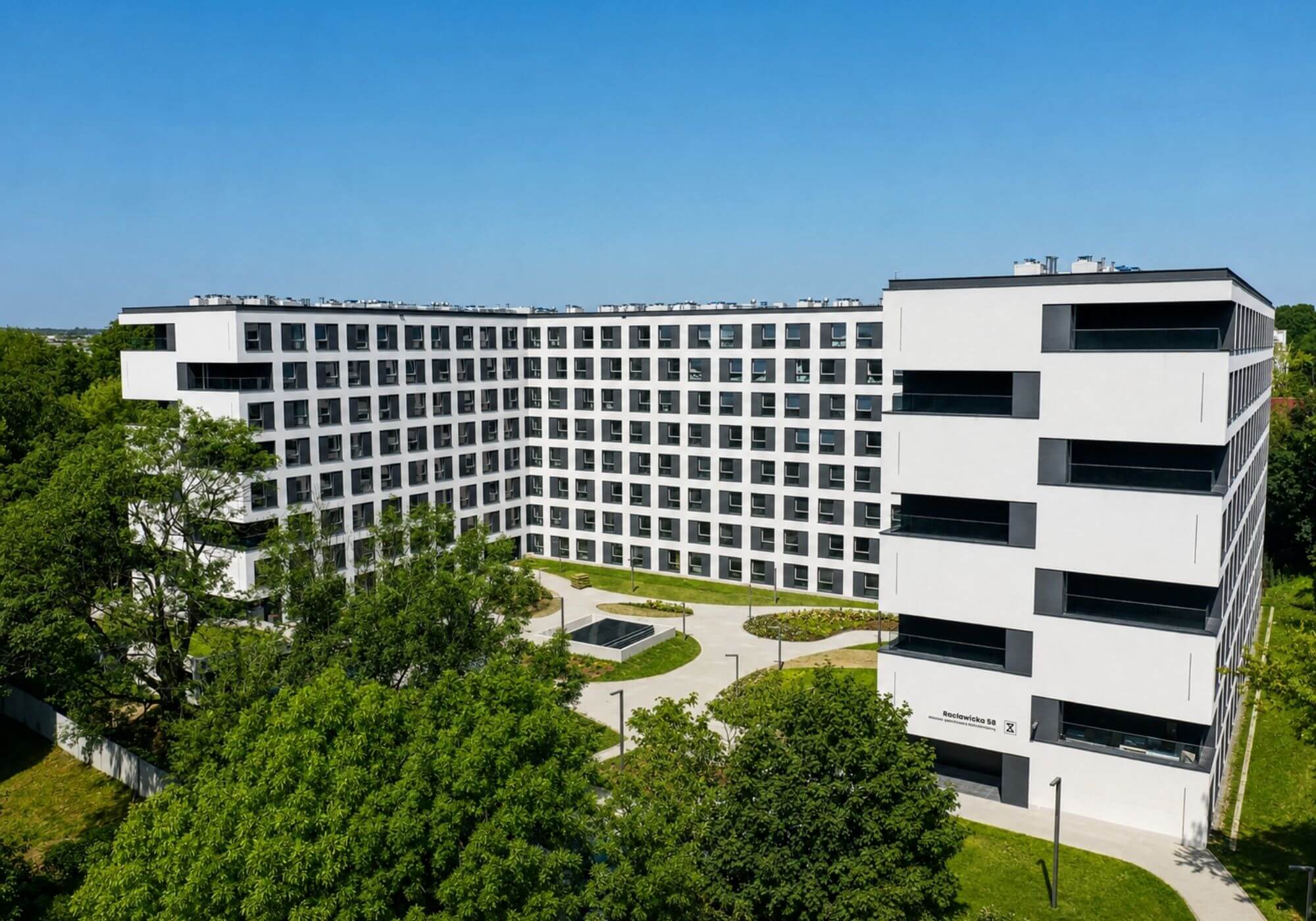
Poland’s PRS Market Attracts International Investors. Record-Breaking Transaction Exceeds PLN 2.4 Billion
Poland’s institutional rental market continues to expand, attracting growing interest from international investors. According to JLL’s latest report, published in October 2026, the country now has more than 28.900 operational Private Rented Sector (PRS) apartments, representing a 30% increase compared with the end of 2024. This growing interest is further demonstrated by a record-breaking transaction worth over PLN 2.4 billion, completed by Germany’s TAG Immobilien Group. What makes Poland an increasingly attractive destination for international real estate capital?
Record-Breaking Transaction in Poland’s Rental Housing Market
In May 2026, Vantage Development, a subsidiary of Germany’s TAG Immobilien Group, completed the acquisition of Resi4Rent’s residential portfolio.
The transaction comprised 5.322 apartments across 18 completed developments located in six Polish cities: Warsaw, Kraków, Wrocław, Gdańsk, Łódź, and Poznań. The total acquisition value exceeded PLN 2.437 billion, equivalent to approximately EUR 575 million.
It was the largest transaction recorded to date in Poland’s institutional rental housing sector, commonly referred to as the Private Rented Sector (PRS).
However, its significance extends beyond the transaction value itself.
The acquisition demonstrates that Poland’s rental housing market has reached a stage where large, professionally managed residential portfolios can be developed, operated, and subsequently acquired by institutional investors.
It also represents an important indication of growing international investor interest in Polish residential assets.
Why Is Poland Attracting German Investors?
Growing interest in Poland’s residential real estate market should be considered in the broader context of economic conditions and structural changes across European housing markets.
According to Germany’s Federal Statistical Office (Destatis), approximately 206.600 residential units were completed in Germany in 2025, representing an 18% decline compared with the previous year. This was the lowest annual figure recorded since 2012.
The decline in housing completions limits the supply of newly developed residential properties available for institutional investment portfolios.
Against this backdrop, Poland stands out for its economic growth and investment market activity.
According to the latest revised figures published by Statistics Poland (GUS) on 6 October 2026, Poland’s GDP increased by 3.8% in 2025.
Meanwhile, CBRE reports that investment volumes in Poland’s commercial real estate market exceeded EUR 3 billion in the first half of 2026, representing a 78% year-on-year increase. This was the strongest first-half performance since 2018.
It is important to note that CBRE’s figures cover the broader commercial real estate investment market, rather than the residential rental sector alone.
Poland offers investors the opportunity to participate in the expansion of a market that remains at a relatively early stage of development compared with Germany’s mature institutional rental sector.
This does not automatically translate into higher investment returns. The attractiveness of individual opportunities continues to depend on financial fundamentals, location, asset quality, and professional management.
Poland’s PRS Market: More Than 28.900 Apartments and Further Growth Potential
The Private Rented Sector refers to residential properties or portfolios owned by professional investors and managed by specialised rental operators.
Unlike the fragmented private rental market, PRS developments typically offer standardised leasing procedures, professional tenant services, and centralised property management.
According to JLL’s latest report, “Institutional Rental Sector (PRS) in Poland 2026,” published on 5 October 2026, Poland had more than 28.900 operational PRS apartments by mid-2026.
This represents growth of approximately 30% compared with the end of 2024.
Despite this expansion, institutional rental housing still accounts for less than 0.2% of Poland’s total residential housing stock.
JLL forecasts that the number of PRS apartments could approach 45.000 units by around 2030.
This projection points to further development opportunities, although actual growth will depend on construction activity, financing conditions, and demand across local rental markets.
Housing Shortage in Poland: An Additional Driver of PRS Development
One of the factors influencing the outlook for Poland’s residential market is the shortage of available housing in major urban areas.
JLL estimates that the housing deficit across Poland’s largest cities amounts to approximately 540.000 residential units.
This figure illustrates the scale of unmet housing needs. However, it should not be interpreted as an equivalent level of potential demand for institutional rental apartments.
Not every household seeking accommodation will choose PRS. Some will prefer homeownership, while others will continue to rent from individual private landlords.
Nevertheless, the development of institutional rental housing can improve access to professionally managed apartments for people seeking flexible rental arrangements, predictable tenancy conditions, and consistent service standards.
This is particularly relevant in major academic and business centres, which attract students, professionals, and people relocating for employment.
Poland and Germany: Two Different Housing Market Models
When comparing the Polish and German rental markets, it is essential to consider the substantial differences in housing tenure structures.
According to Eurostat data for 2025, 87.2% of Poland’s population lived in owner-occupied housing.
In Germany, by contrast, 52.8% of the population lived in rented accommodation. Germany remains the only European Union country where renting is the predominant form of housing tenure.
These differences demonstrate that Poland’s PRS market does not necessarily need to replicate the German housing model.
Homeownership remains the dominant housing preference in Poland. Institutional rental housing can instead develop alongside the traditional residential development market, offering an alternative for households that prioritise flexibility or are not currently considering a property purchase.
The long-term potential of Poland’s PRS sector lies primarily in the professionalisation of the rental market and the expansion of housing options that respond to changing tenant needs.
This is where institutional investors may identify opportunities for long-term growth.
Warsaw, Kraków and Wrocław: Key Locations for PRS Investment
Poland’s institutional rental housing market remains concentrated in its largest metropolitan areas.
Warsaw, Kraków, and Wrocław are among the most important PRS investment destinations, supported by their established employment markets, universities, and substantial rental housing demand.
Institutional rental developments are also present in Poznań, the Tricity metropolitan area, Łódź, and Katowice.
However, being located in a major city does not automatically guarantee investment success.
Key considerations include public transport accessibility, proximity to employment centres and universities, competition within the local rental market, and the suitability of apartment layouts and sizes for target tenants.
Two developments in the same city may deliver significantly different financial results depending on their exact location, construction standard, and development costs.
Institutional investors must therefore evaluate individual assets and local market fundamentals rather than relying exclusively on city-level indicators.
PRS Investment Returns: Financial Fundamentals Remain Critical
One of the main factors attracting investors to the PRS market is the potential to generate recurring rental income.
In the Resi4Rent transaction, the purchase price reflected a projected net operating income yield of approximately 6.3% for 2026.
This figure relates to the specific acquired portfolio and should not be interpreted as a guaranteed return across Poland’s PRS market.
The performance of individual projects depends on numerous factors, including land acquisition costs, construction and financing expenses, apartment mix, achievable rental levels, operating expenditure, and property management efficiency.
Regulatory conditions, currency exposure, and investors’ long-term strategies also play an important role.
A growing market does not necessarily mean that every investment opportunity will deliver equally attractive returns.
Selecting the right location, developing a product suited to tenant requirements, and working with experienced residential development partners are becoming increasingly important determinants of investment performance.
The Growth of PRS and PBSA Creates New Opportunities for Developers
Alongside institutional rental housing, other residential investment segments are gaining importance, particularly Purpose-Built Student Accommodation (PBSA).
According to JLL, Poland had approximately 16.500 beds in privately operated student accommodation at the beginning of 2026, with a further 7.700 beds under construction.
These figures illustrate the development of a segment that remains relatively small in comparison with the accommodation needs of Poland’s major university cities.
For residential developers, this creates opportunities to deliver projects beyond the traditional model of building and selling apartments to individual buyers.
Developments designed specifically for institutional funds and professional operators are becoming increasingly relevant, alongside mixed-use residential accommodation projects combining different rental formats.
Activ Investment: Experience in Delivering Projects for Institutional Investors
The development of Poland’s PRS and PBSA sectors is creating new opportunities for cooperation between international investment funds and local property developers.
For foreign investors, entering a new market involves more than identifying an attractive real estate asset. It also requires an experienced development partner capable of managing the investment process efficiently, from project preparation through to construction completion.
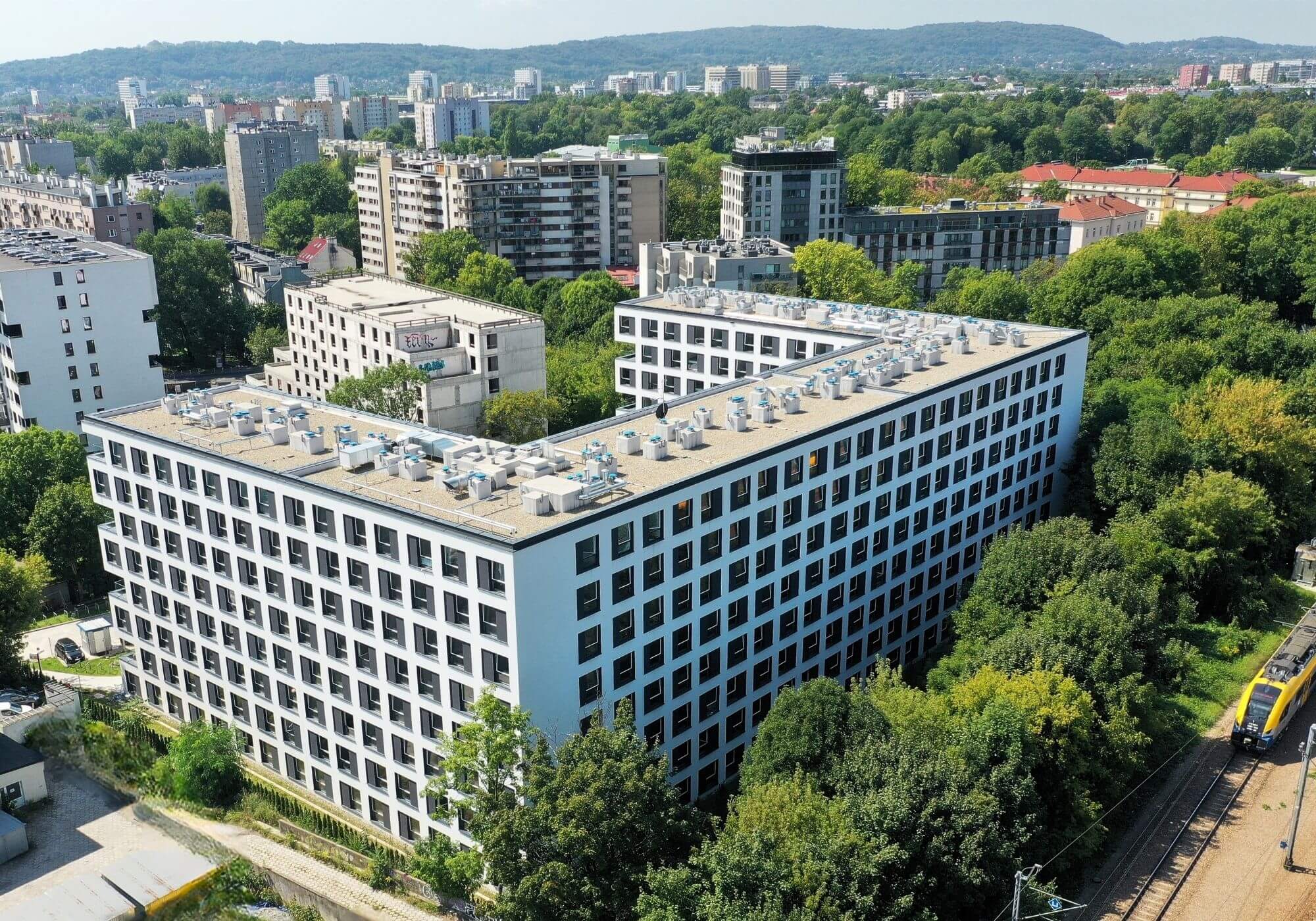
An example of this approach is the ZEITRAUM development on Racławicka Street in Kraków, delivered by Activ Investment for Zeitgeist Asset Management.
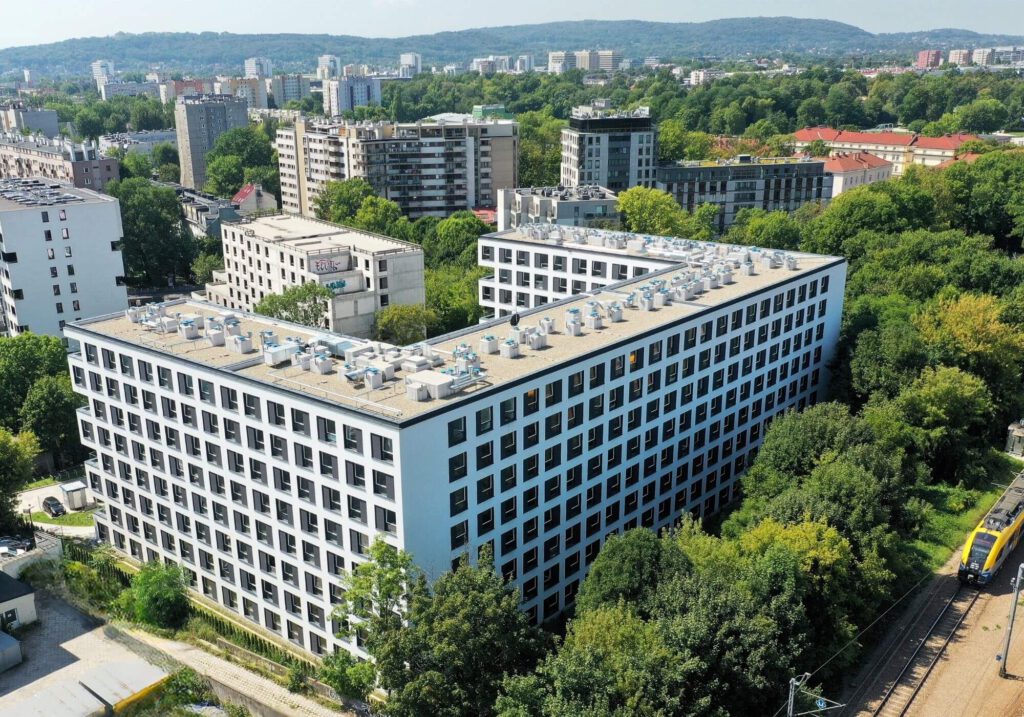
Completed in 2025, the development comprises:
- 182 fully furnished serviced apartments, available for short- and long-term stays.
- 289 beds in a purpose-built student accommodation facility (PBSA).
The complex has achieved BREEAM certification. Both components are operated by ZEITRAUM Hospitality & Living, a subsidiary of Zeitgeist Asset Management.
The investment demonstrates how different accommodation formats can be successfully integrated within a single development.
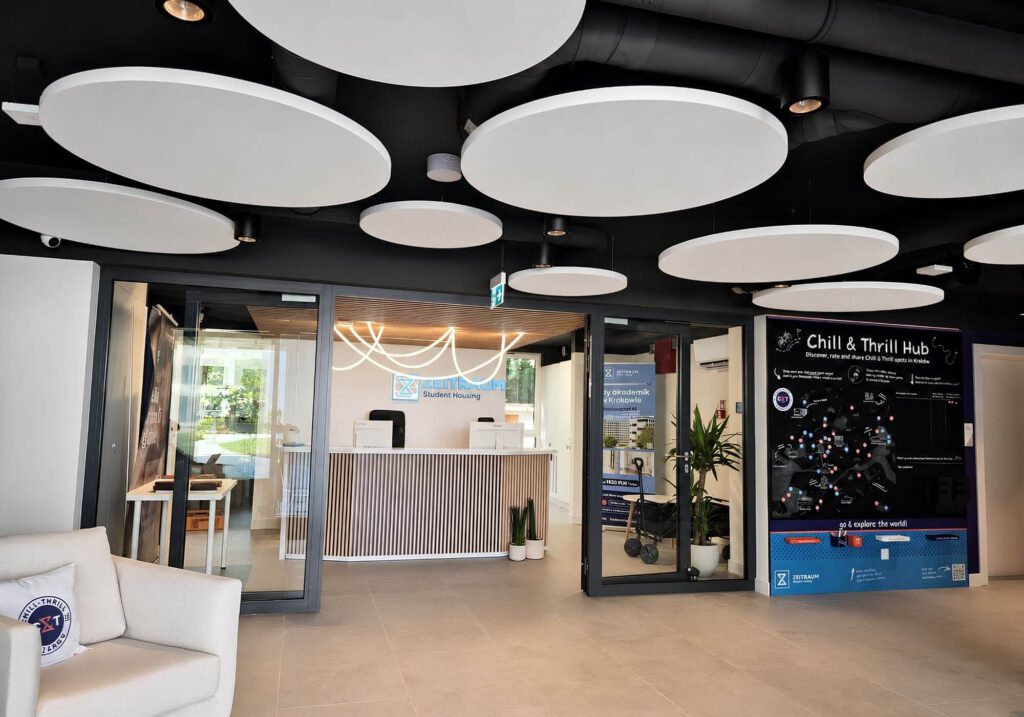
For Activ Investment, a property developer with 30 years of experience in the Polish real estate market, the ZEITRAUM project represented another step in expanding its operations beyond traditional residential development for individual sale.
Delivering projects for institutional investors requires in-depth local market knowledge, expertise in planning and construction procedures, and the ability to align the development with the business model and operational requirements of both the investor and the future operator.
Poland’s PRS Market: Outlook for the Coming Years
The record-breaking Resi4Rent transaction and JLL’s latest market data indicate that Poland’s institutional rental housing sector is becoming an increasingly established part of the European residential investment landscape.
Despite its dynamic growth, the sector remains relatively small compared with Poland’s traditional housing market and the mature rental markets of Western Europe.
JLL’s forecast of approximately 45.000 operational PRS apartments by around 2030 suggests further potential for market expansion.
However, the actual pace of development will depend on financing availability, construction costs, local rental market conditions, and institutional investor appetite.
Poland offers international investors opportunities arising from the continued development of its residential sector, the professionalisation of rental housing, and the presence of experienced local development partners.
For institutional capital, the key to long-term success will increasingly lie not simply in entering a growing market, but in selecting the right projects and working with partners capable of delivering them effectively.
Sources
- JLL – Institutional Rental Sector (PRS) in Poland 2026, 5 October 2026.
- Echo Investment – Completion of the Resi4Rent Transaction, 27 May 2026.
- CBRE – Poland Investment Figures Q2 2026, July 2026.
- Statistics Poland (GUS) – Revised GDP Estimate for 2025, 6 October 2026.
- Destatis – Residential Building Completions in Germany, 2025 data.
- Destatis / Eurostat – Germany Compared with the EU: Rental Housing, 2025 data.
- Eurostat – Distribution of Population by Tenure Status, 2025 data.
- Podstawski Group – Completion of the ZEITRAUM Development in Kraków, 4 September 2025.
- DigitalWerk – 575 Millionen Euro für polnische Mietwohnungen, 7 October 2026.